

Board games and card games have been family staples for generations. They bring people together around the table, spark laughter, and sometimes even stir up a little healthy competition. But beyond the fun, these games offer children valuable lessons in patience, strategy, and teamwork. Many parents wonder: When is the right time to introduce board games and card games to kids?
The good news is that you don’t need to wait until your child is “old enough” for complicated rules. There are age-appropriate games for toddlers, preschoolers, and older kids alike. The key is to start with simple games that match their developmental stage and gradually build up to more challenging ones.
Why Board and Card Games Are Great for Kids
Before diving into the “when,” it’s worth highlighting the “why.” These games are more than just entertainment—they double as learning opportunities.
- Boosting cognitive skills: Many games involve counting, matching, or recognizing patterns, which strengthen early math and problem-solving abilities.
- Teaching social skills: Taking turns, following rules, and being a gracious winner (or loser) are lessons that naturally flow from game time.
- Encouraging patience and focus: Games often require waiting for turns and paying attention, helping kids build self-control.
- Strengthening family bonds: Shared playtime provides a screen-free way for parents and children to connect.
With benefits like these, introducing games early makes sense—but how early depends on the child.
Introducing Games in the Toddler Years (Ages 2–3)
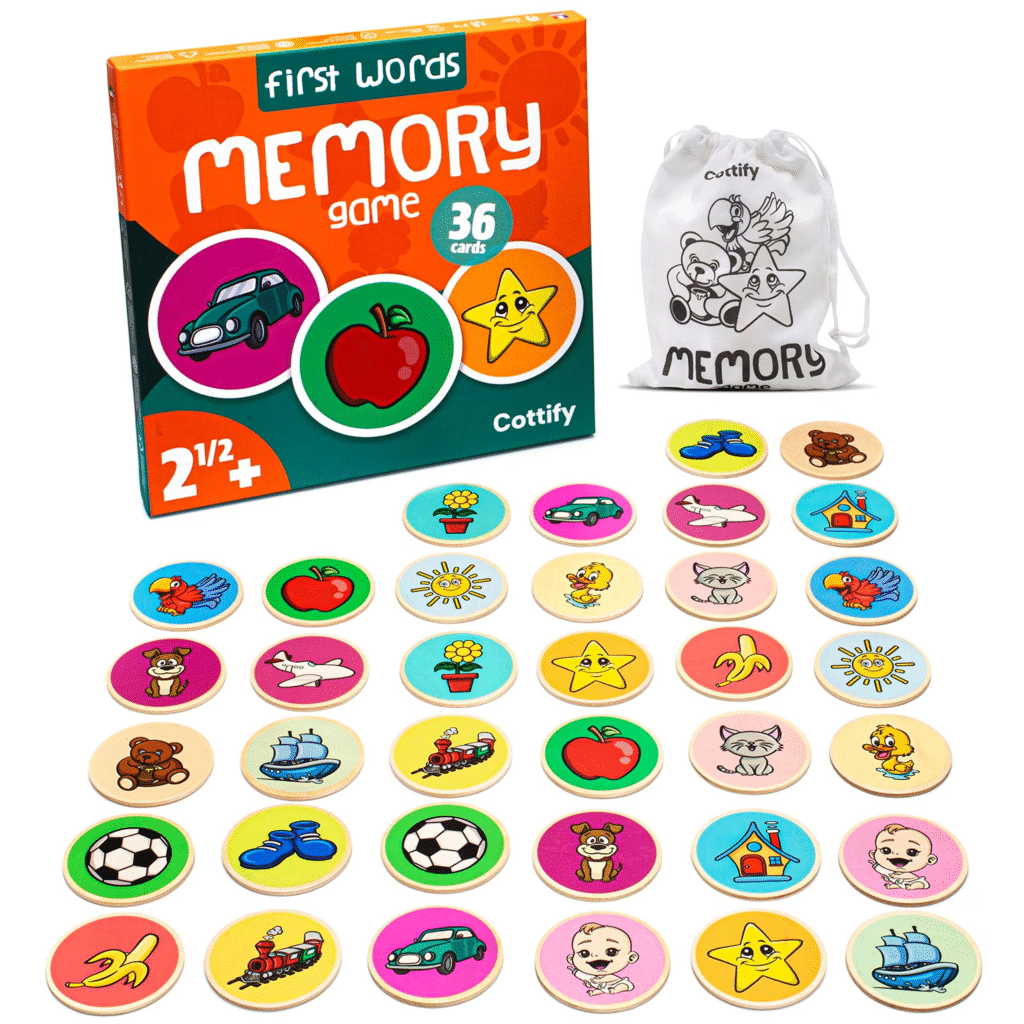
Yes, even toddlers can join in! While they may not sit for long, there are games designed specifically for little hands and short attention spans.
At this stage, focus on games with very simple rules and lots of visuals. Matching games, color recognition activities, or simple dice-rolling games are perfect. These early experiences aren’t about competition but about learning to play together and enjoying the process.
Parents should keep sessions short—five to ten minutes is often plenty—and celebrate small wins like taking turns or naming a color correctly.
Preschool Playtime (Ages 4–5)
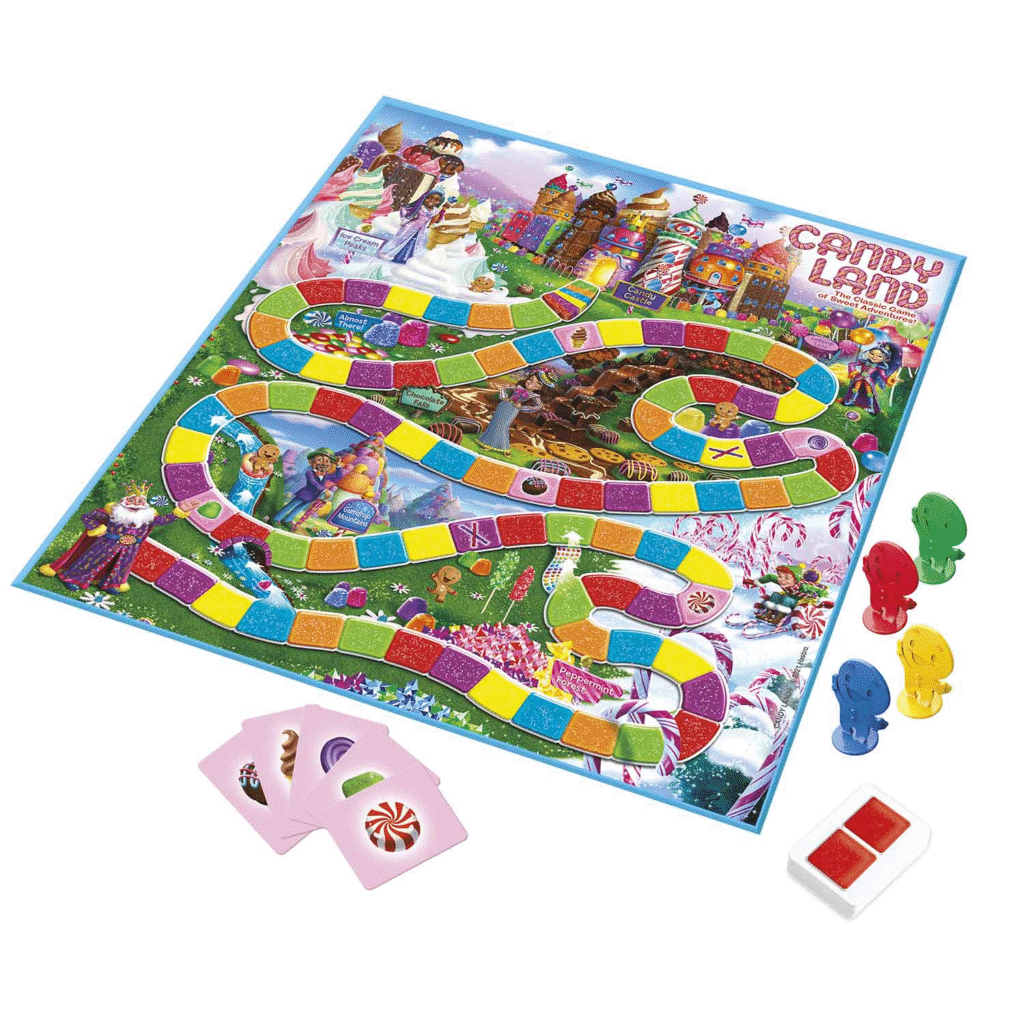
Preschoolers are ready for slightly more structure. Their attention span is longer, and they’re beginning to grasp simple strategies. At this age, board and card games that involve counting spaces, recognizing numbers, and following clear instructions are ideal.
Games like Candy Land, Chutes and Ladders, or memory matching cards hit the sweet spot. They teach sequencing, reinforce colors and numbers, and most importantly, introduce the concept of winning and losing gracefully.
Parents can also start introducing cooperative games, where the whole family works toward a shared goal. These are fantastic for kids who get frustrated by competition, as they shift the focus from winning to teamwork.
Early Elementary School (Ages 6–8)
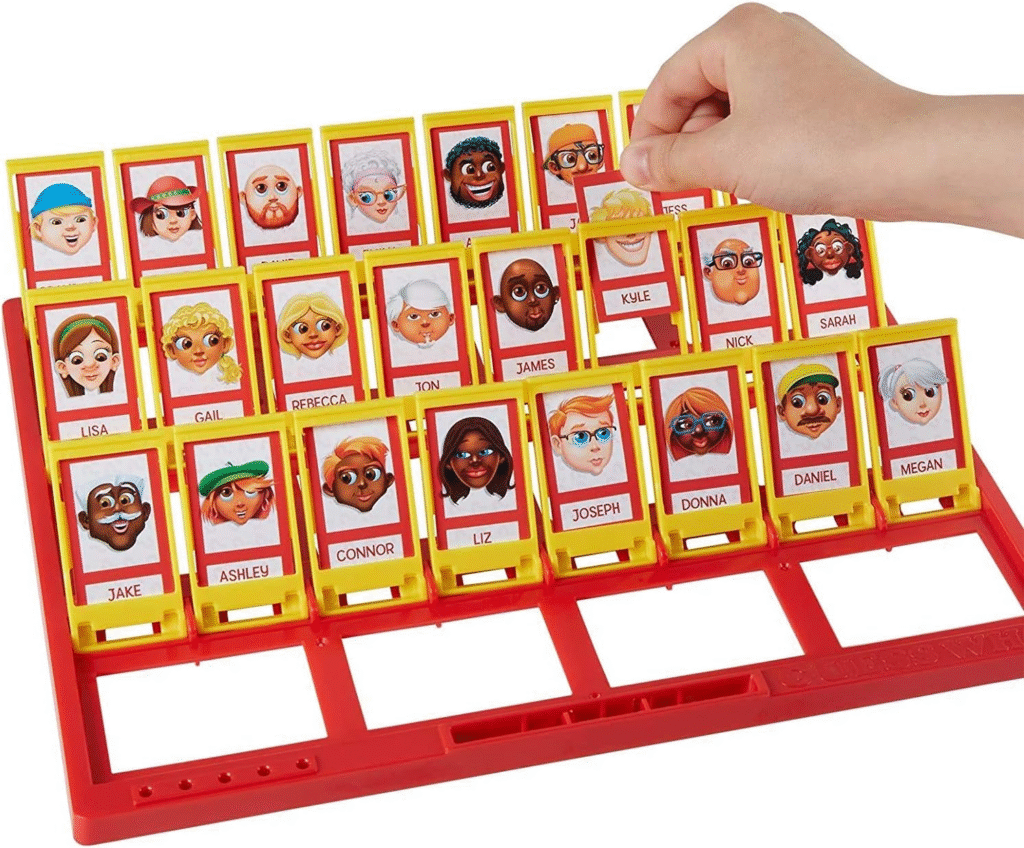
This is where the fun really begins. Kids in early elementary years are ready for games with more rules and basic strategy. Their reading and math skills are improving, and they’re able to think a few steps ahead.
Classic card games like Go Fish or Old Maid are easy to learn and encourage quick thinking. Board games like Sorry!, Connect Four, or Guess Who? strike a balance between luck and logic.
At this age, kids also start enjoying games that involve light competition. Parents can encourage good sportsmanship by modeling positive behavior—cheering on others, congratulating opponents, and showing resilience when things don’t go your way.
Upper Elementary and Beyond (Ages 9–12)
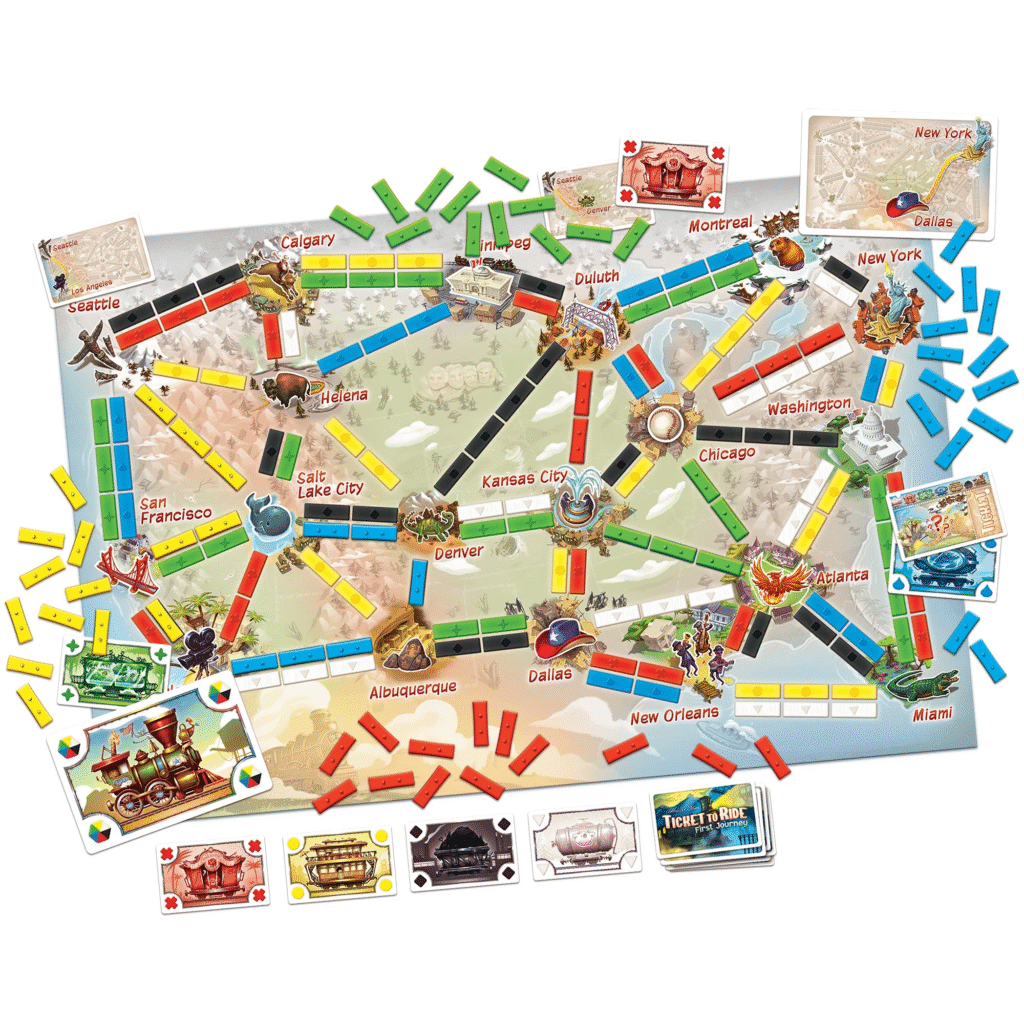
By this stage, children are ready for games that require deeper strategy, planning, and even negotiation. This is the perfect time to introduce more complex board games like Catan Junior, Ticket to Ride: First Journey, or Blokus. Card games such as Uno or even basic poker-style games (played for fun, not money!) can also be engaging.
Kids at this age love challenges, and games give them the opportunity to test their critical thinking skills in a playful environment. They also learn how to manage risk, plan ahead, and adapt strategies when things don’t go as expected.
Tips for a Smooth Introduction
- Start simple: Choose games that match your child’s age and developmental stage. If it feels overwhelming, scale back.
- Play together: Kids learn best by watching. Demonstrate how the game works before expecting them to play independently.
- Keep it short: Especially with younger kids, stick to short game sessions to avoid frustration.
- Focus on fun, not winning: Praise effort and teamwork as much as victories.
- Build a tradition: Make game night a regular family activity. Kids will begin to look forward to it as a special bonding time.
The Role of Card Games
Card games deserve a special mention because they’re inexpensive, portable, and incredibly versatile. A single deck can open up dozens of possibilities. From simple matching games for preschoolers to strategic classics like Rummy or Spades for older kids, cards grow with your child. They also make great travel companions, perfect for keeping kids entertained on road trips or vacations.
Signs Your Child Is Ready for More Advanced Games
Every child develops differently, so instead of relying strictly on age, watch for these cues:
- They can follow multi-step instructions.
- They show patience in taking turns.
- They demonstrate interest in strategy rather than pure luck.
- They can read numbers, letters, or simple words (depending on the game).
If your child meets these benchmarks, it may be time to introduce more advanced board or card games.
Final Thoughts
Introducing board games and card games to kids is less about a specific age and more about readiness. From toddler-friendly matching games to strategy-heavy adventures for older kids, there’s something for every stage of childhood.
The key is to keep it fun and age-appropriate. Whether your child is rolling a chunky die for the first time or negotiating a clever move in a strategy game, they’re learning valuable skills that extend far beyond the game table.
So gather the family, shuffle the deck, or roll the dice—because game night is more than play. It’s an opportunity to build memories, teach life lessons, and strengthen family bonds.