

Family outings to museums and zoos can be magical—full of discovery, excitement, and memories your child will treasure for years. But every parent also knows the reality: long queues, overstimulation, tired legs, hungry toddlers, and the occasional meltdown. The good news? With the right preparation and a few clever hacks, museum and zoo visits can be enjoyable, educational, and surprisingly smooth.
Whether you’re planning a weekend adventure or a holiday outing, these tried-and-tested tips will help your trip run like a well-oiled stroller wheel.
Plan Around Your Child’s Natural Rhythm
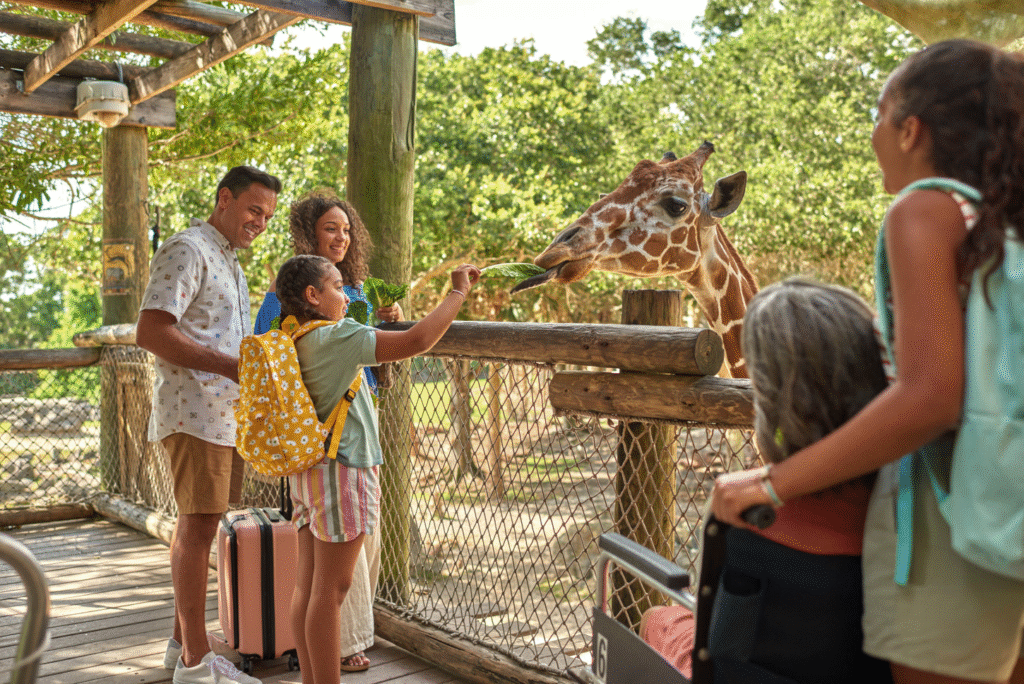
Timing matters. Young children are happiest in the morning—before hunger and fatigue kick in. Arriving right when the museum or zoo opens often means shorter lines, cooler weather (especially for outdoor zoos), and fewer crowds.
If mornings don’t work, aim for early afternoon after nap time. A well-rested child is more curious, patient, and receptive to learning. Avoid visiting right before closing, when animals may be resting or museum galleries begin shutting down sections.
Buy Tickets in Advance
Many museums and zoos now offer timed-entry tickets. Booking online not only saves money but also allows you to skip the queue entirely. This simple hack prevents your child from spending their first 20 minutes in a line—where boredom builds quickly and meltdowns happen even faster.
Some institutions also offer express lanes for members. If you live nearby and plan to visit more than twice a year, a membership often pays for itself through free entry, parking perks, and exclusive early entry hours.
Pack Smart: Bring Only What You Need
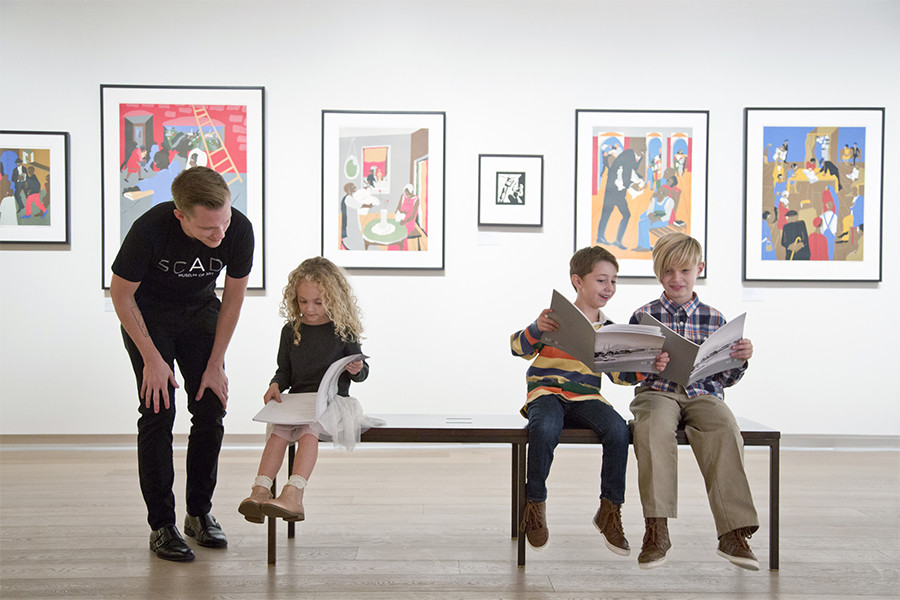
A heavy bag can sap your energy, but forgetting essentials can turn a great day into a stressful one. Pack light but intentionally. Bring snacks, a refillable water bottle, sunscreen, hats, wet wipes, and one change of clothes for younger kids.
For museums, bring something quiet that keeps your child engaged—like a small notepad for sketching or a mini pack of crayons. For zoos, pack portable snacks and a fan or mister for warm days. A compact stroller or baby carrier helps small children rest between exhibits.
Create Mini Activities to Keep Kids Engaged
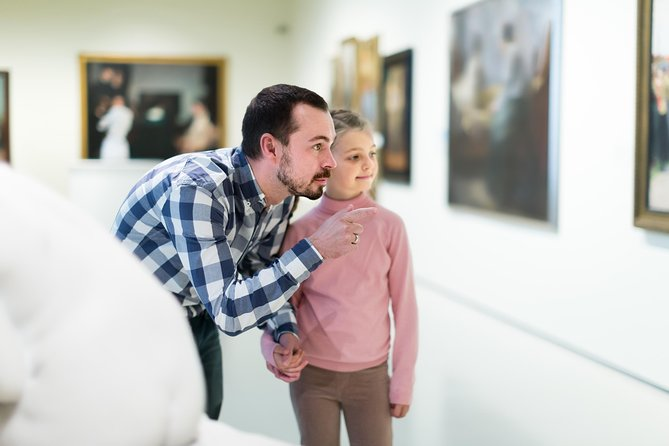
To prevent your child from wandering aimlessly, turn the outing into an adventure. Before you go, choose a simple theme or mission. For example:
- “Find five animals that live in the desert.”
- “Spot three artworks with the color blue.”
- “Count how many different birds we see.”
These mini challenges keep kids focused, excited, and curious. They also create natural learning moments—without feeling like homework.
Use Photos as a Learning Tool
Give your child a chance to take photos (with supervision). Kids love having a sense of control, and snapping pictures makes them more observant. In museums, encourage them to photograph their favorite sculptures or paintings; at the zoo, let them capture their favorite animals.
Later at home, you can create a simple scrapbook or digital slideshow. This reinforces what they learned and helps them remember the trip more vividly.
Take Breaks Before They’re Needed

Parents often wait until their child is cranky before stopping for a break—but by then, meltdowns are already brewing. Schedule small pauses throughout your visit. A quick snack, a rest on a bench, or a quiet moment in a shaded spot resets everyone’s energy.
Museums usually have calm corners, family lounges, or café areas. Zoos often have shaded picnic zones or indoor pavilions where kids can cool down.
Don’t Try to See Everything
Museums and zoos are huge, and attempting to see everything in one visit is a recipe for exhaustion. Focus on 2–3 main exhibits. Let your child lead—they tend to remember the trip better when they have some control.
If you live nearby, treat each visit as a different chapter of a longer adventure. This makes outings more relaxing and leaves your child excited for next time.
Prepare for Sensory Overload
Museums can be quiet but visually stimulating, while zoos can be loud, crowded, and unpredictable. If your child is sensitive to noise or sensory input, bring noise-reducing headphones, a calming toy, or a sensory snack like crunchy crackers.
Look for museums with quiet galleries or zoos with indoor exhibits; these offer natural sensory breaks. Let your child step aside from the action whenever they need a moment to regroup.
Turn the Drive Home Into a Cool-Down Moment
The journey home is the perfect time to wind down, talk about the best moments of the day, and let your child emotionally decompress. Ask simple reflection questions:
- “What was your favorite animal?”
- “Was there a painting or artifact you liked the most?”
- “What surprised you today?”
Reflection not only strengthens memory—it helps your child develop communication and emotional awareness.
Celebrate the Day With a Small Ritual
End the outing on a positive note with a simple ritual. It might be choosing one postcard from the museum gift shop, having an ice cream after the zoo visit, or marking the adventure in a family “explorer book.”
These rituals help create positive associations and make outings feel meaningful—something your child will look forward to again and again.
Final Thoughts
Museum and zoo visits are more than outings—they’re opportunities for curiosity, bonding, and discovery. With thoughtful planning, smart packing, and kid-friendly pacing, these trips become smoother, happier, and rich with learning moments.
Whether your child is marveling at a lion or studying a masterpiece, the right hacks ensure your family enjoys every moment while keeping stress low and smiles high. With these strategies in your toolkit, every visit becomes a memory worth keeping.