

Helping children learn their letters and phonics is one of the most rewarding parts of parenting. Watching a child recognize their first letter or sound out their first word is magical—it’s the beginning of their literacy journey. The good news is, teaching phonics doesn’t need to feel like a chore. In fact, the more playful and interactive the experience, the more children will enjoy learning and retain what they’ve learned. With a little creativity, you can turn your home into a fun-filled learning environment where letters and sounds come alive.
In this article, we’ll explore fun and practical ways to teach letters and phonics at home, while making the process enjoyable for both you and your child.
Why Phonics Is So Important
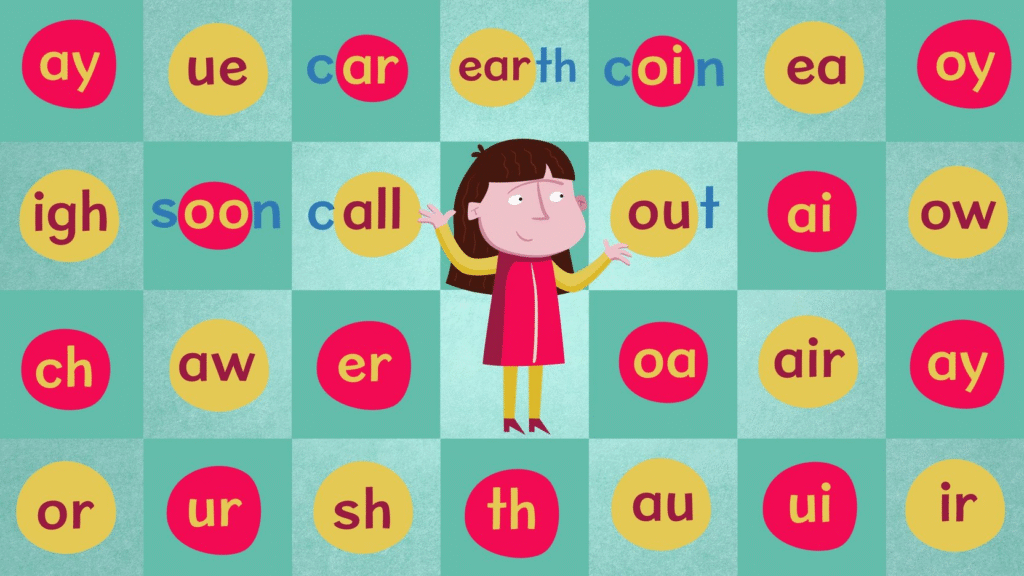
Before diving into activities, it’s helpful to understand why phonics matters. Phonics is the connection between written letters (graphemes) and their sounds (phonemes). When children learn that the letter “b” makes the “buh” sound, or that “sh” makes a distinct “shhh” sound, they’re building the foundation for reading fluency. Strong phonics skills not only help kids decode words but also boost confidence and set them up for lifelong learning.
Make Learning Multisensory
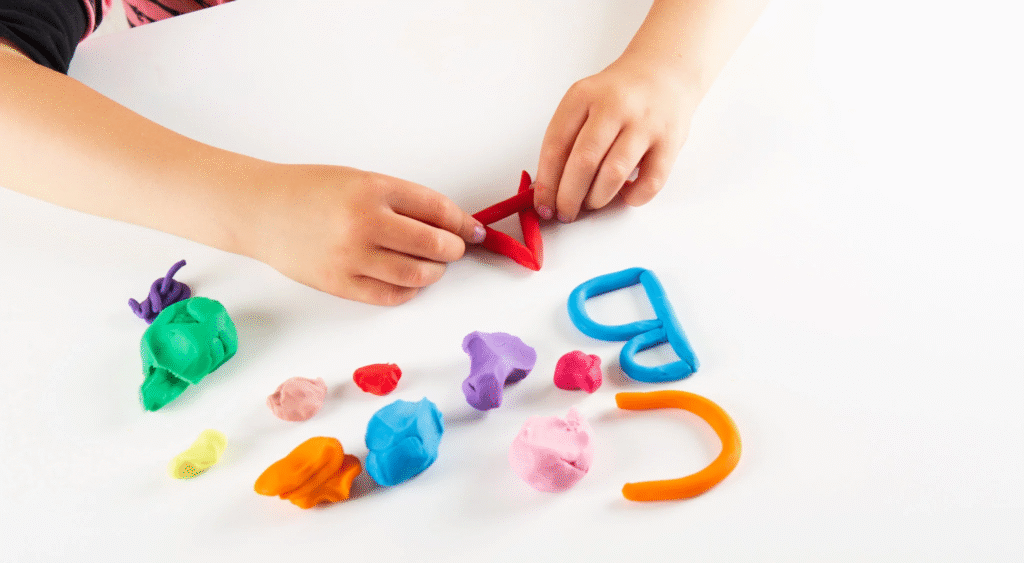
Children absorb information best when more than one sense is engaged. Multisensory learning makes the process more memorable and exciting. Here are some ways to do it:
- Tactile Play with Letters: Use playdough, sand, or rice trays where your child can trace letters with their fingers while saying the sound out loud.
- Magnetic Letters on the Fridge: Encourage your child to rearrange letters, form simple words, or just identify the sound of each one.
- Chalk on the Driveway: Let your child draw letters outdoors and practice sounds in a bigger, more physical way.
The act of touching, seeing, and saying reinforces the brain connections that make phonics stick.
Bring in Music and Rhymes
Songs and rhymes are natural tools for teaching phonics because they emphasize rhythm, repetition, and sounds. Nursery rhymes, ABC songs, or phonics-based tunes can all make learning playful. You can:
Sing songs that focus on letter sounds, such as “A is for Apple.” Create your own silly rhymes with your child, like “B is for Ball bouncing big and bright.” Use clapping or drumming to emphasize syllables and sounds in words.
This musical approach makes phonics fun and helps auditory learners thrive.
Storytime With a Twist

Reading aloud is one of the most effective ways to help children develop a love for letters and sounds. But you can make storytime more interactive by adding phonics-focused twists:
Stop occasionally and ask your child to point out a specific letter on the page. Emphasize letter sounds as you read: “See this word sun? It starts with the ‘sss’ sound.” Choose books designed around phonics learning, such as ones that repeat the same sound throughout.
Children learn best when literacy feels like a shared adventure rather than a lesson.
Use Everyday Objects

Letters and sounds are all around us—on cereal boxes, road signs, and product labels. Everyday life offers countless opportunities to practice phonics naturally. For example:
During grocery shopping, ask your child to spot items that start with the “m” sound, like milk or mangoes. At home, label objects with sticky notes—chair, table, lamp—and encourage your child to sound them out. Turn a walk into a scavenger hunt for letters on signs or billboards.
These real-life applications make phonics relevant and exciting.
Play Interactive Games
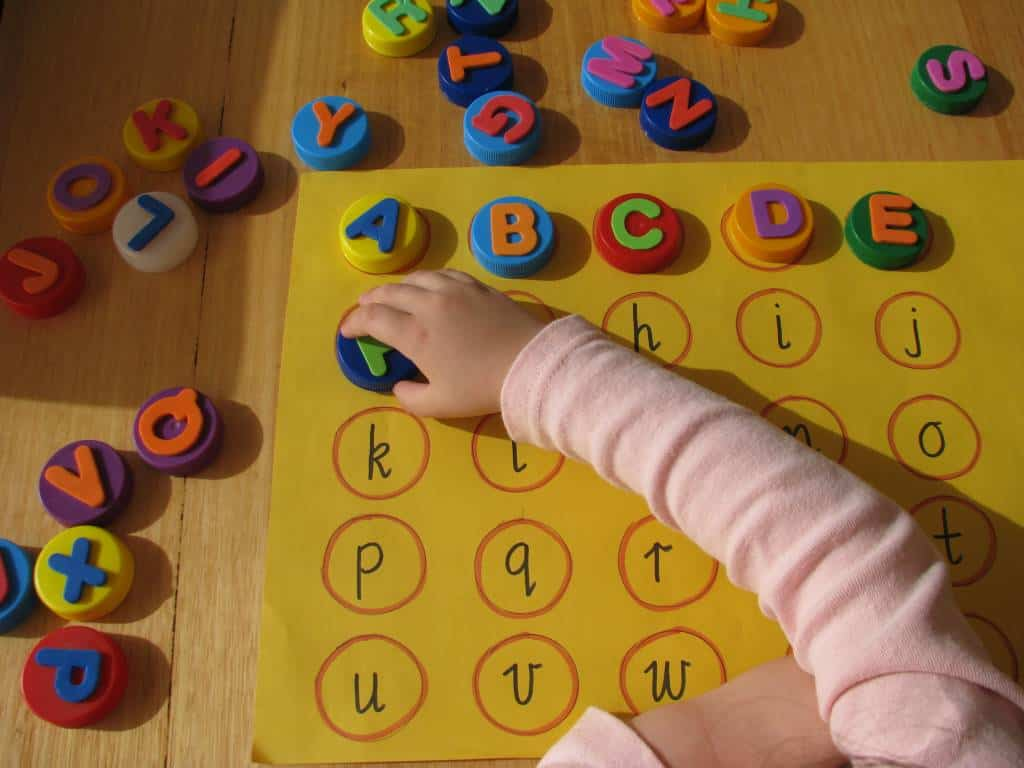
Children learn best when they’re having fun, and games are a fantastic way to practice letters and phonics at home. Some easy ideas include:
- Letter Matching: Create pairs of uppercase and lowercase letters on cards and have your child match them.
- Sound Hunt: Call out a letter sound, and let your child find an object around the house that starts with it.
- Memory Game: Write simple CVC (consonant-vowel-consonant) words like “cat” or “dog” on cards, and play a memory match game.
Games encourage active participation and keep children motivated to learn.
Incorporate Technology Wisely
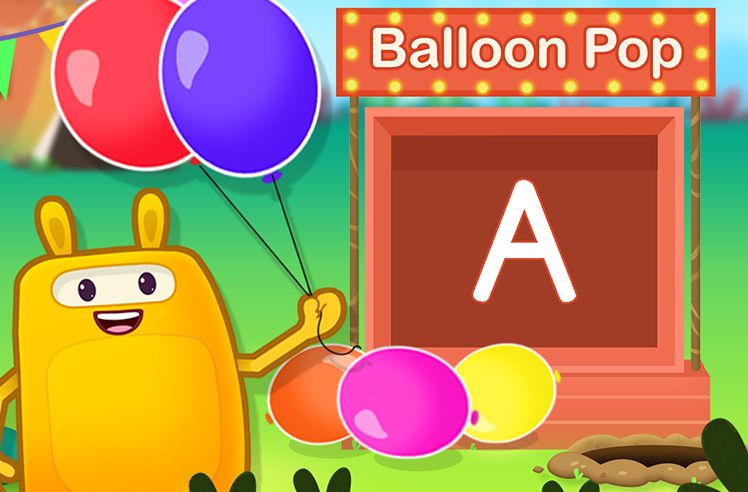
There are plenty of educational apps and online games that reinforce letters and phonics in engaging ways. While screen time should be balanced, using technology as a supplemental tool can be highly effective. Many apps use animation, sound, and interactivity to make phonics engaging. Just make sure to:
- Choose age-appropriate, ad-free apps.
- Sit with your child to guide their learning.
- Balance digital learning with hands-on play.
Art and Crafts with a Literacy Twist
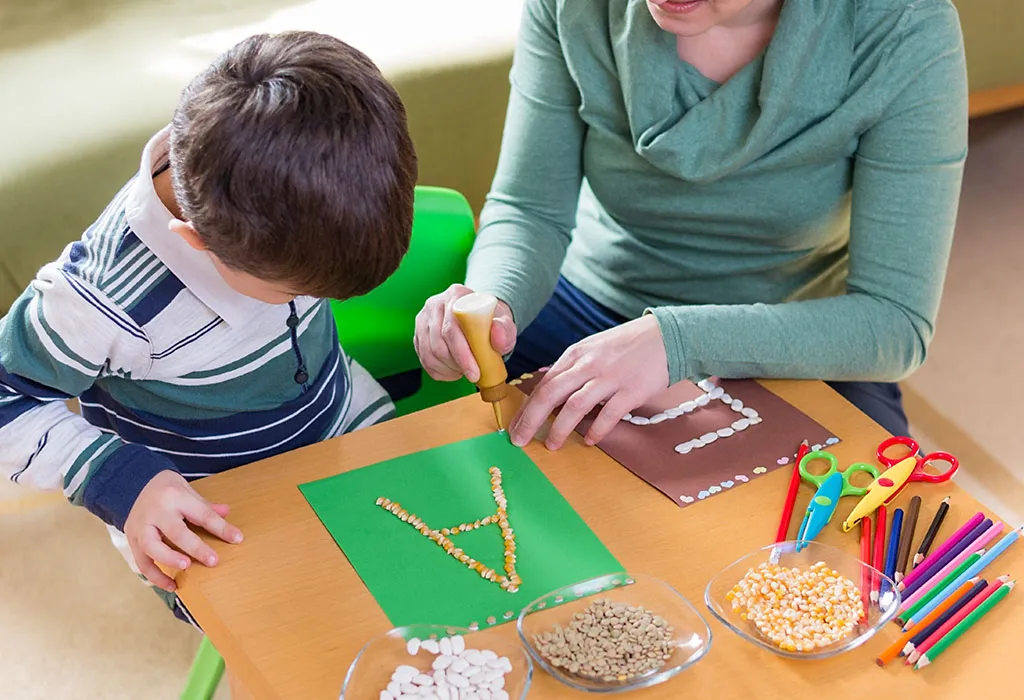
Creative activities are another fun way to bring letters and phonics to life. Try these ideas:
- Create a letter-of-the-week poster with drawings or magazine cutouts of things starting with that letter.
- Make alphabet flashcards together by decorating index cards with pictures and glitter.
- Encourage your child to “build” letters with sticks, yarn, or pasta.
Crafts make the learning process hands-on and give your child a sense of accomplishment.
Be Patient and Celebrate Small Wins
It’s important to remember that every child learns at their own pace. Some may quickly grasp sounds and letters, while others may take longer. What matters most is creating a supportive, stress-free environment where your child feels encouraged. Celebrate small milestones—like recognizing a new sound or reading a simple word—with praise or even a little dance party.
By keeping the process fun, you’re nurturing not just literacy skills but also a positive attitude toward learning.
Conclusion
Teaching letters and phonics at home doesn’t need to feel overwhelming. With playful strategies like tactile play, songs, storytime, games, and even everyday objects, you can transform your child’s learning experience into something joyful and meaningful. The key is to weave phonics into daily life in ways that feel natural and fun.
As your child begins to connect letters to sounds and sounds to words, you’ll watch their confidence bloom. And that early spark of literacy will stay with them for years to come—fueling curiosity, imagination, and a lifelong love of reading.
FAQs About Teaching Letters and Phonics at Home
1. What is the best age to start teaching phonics at home?
Most children are ready to begin learning basic letter sounds around ages 3 to 4. However, every child is different. You can start with playful exposure—like singing the ABCs or pointing out letters on signs—long before formal lessons. The goal is to spark curiosity rather than rush.
2. How can I make phonics fun for a toddler?
Toddlers learn best through play, so keep it light and interactive. Use songs, finger paints, playdough, or magnetic letters. Even pointing out the first letter of your child’s name and repeating its sound can make phonics feel exciting and personal.
3. How much time should I spend teaching letters each day?
Short, consistent sessions are more effective than long lessons. Ten to fifteen minutes of focused phonics play each day is plenty for young children. You can also weave in letter practice during daily activities, like mealtime or playtime.
4. What’s the difference between letters and phonics?
Letters are the symbols we write, while phonics is the system that links those letters to sounds. For example, the letter “C” can make the “k” sound in cat or the “s” sound in cent. Teaching both together helps children learn to read and spell more effectively.
5. Can I teach phonics at home without worksheets?
Absolutely! Worksheets are only one tool. Many children learn better through hands-on activities, storytelling, songs, and games. Everyday objects and real-life situations are excellent for reinforcing sounds and letters without the need for paper exercises.
6. What if my child doesn’t seem interested in phonics?
If your child isn’t engaged, try switching up the method. Some kids love music, while others prefer building with blocks or drawing. Follow your child’s interests—integrate phonics into art, movement, or even cooking (e.g., “Let’s find foods that start with S!”).